


Installation Methods and Precautions for UHMWPE Silo Wear Liners.
UHMWPE Silo Wear Liners are wear-resistant materials laid on the inner walls of coal bunkers. They can effectively prevent coal from sticking to the bunker walls, reduce wear, and extend the service life of the bunker. Here’s how to install coal bunker liners:
1. Clean out coal residues and debris inside the bunker;
2. Determine the placement of the liners according to the structure and dimensions of the bunker;
3. Install brackets that match the liners;
4. Lay the liners, fitting them snugly against the bunker walls to avoid gaps or looseness;
5. Tighten screws to ensure the liners are secure;
6. Conduct an overall check to make sure everything is firmly in place.
Notes:
1. During installation, the bolt countersink surface of the coal bunker lining must be lower than the surface of the plate;
2. When installing coal bunker lining products, no fewer than 10 bolts should be used per square meter;
3. There should be a gap of no more than 5mm between each lining plate (adjustments should be made during installation according to the plate’s environment and temperature);
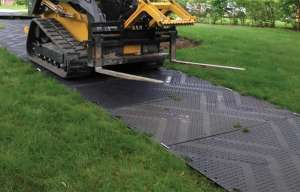
6. What is a road mat, and where is it used?
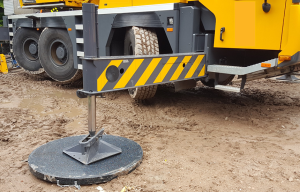
Road mats are made of composite high-density polyethylene, which makes them strong under compression, flexible, lightweight, anti-aging, corrosion-resistant, easy to lay, adaptable to environmental conditions, and resistant to cracking. Compared to wood and steel mats, high-density road mats have higher utilization, lower production costs, and are less likely to break.
They are widely used in coal mines, transportation, construction, chemical industry, agriculture, cement plants, and other fields.
1. Temporary roads during outdoor operations in mines, cement plants, construction sites, and landscape projects
2. Road padding for construction vehicles passing over muddy ground
3. Road laying in soft foundation areas such as sandy land, swamps, or snow-covered areas to prevent collapse
4. Providing safety protection in areas requiring ground protection
5. Temporary loading and unloading paths and platform padding in warehouses or factory zones
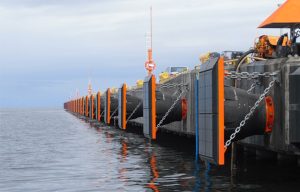
7. What is a fender facing panel and where is it used?
Fender facing panels are made from high-quality UHMWPE and are precisely milled according to drawings. The material is highly tough, self-lubricating, lightweight, impact-resistant, corrosion-resistant, extremely wear-resistant, UV-resistant, non-polluting, anti-collision and scuffing, and has a long service life. They act as buffers when vessels dock, are easy to install and maintain, and significantly reduce port replacement and maintenance costs.
They are widely used in docks, ports, shipyards, and piers, serving as fender panels, offshore platform collision pads, and port docking protection panels.
8. Are customized-shaped parts supported?
Our company has professional processing equipment and supports the customization of shaped parts of various specifications, which can be processed according to drawings.